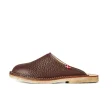




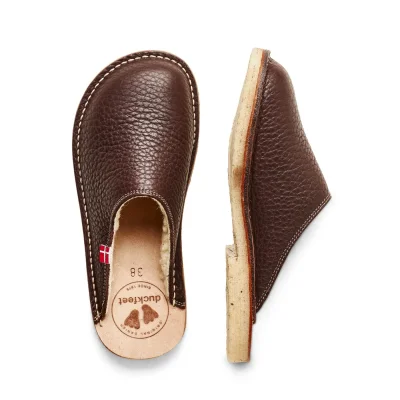
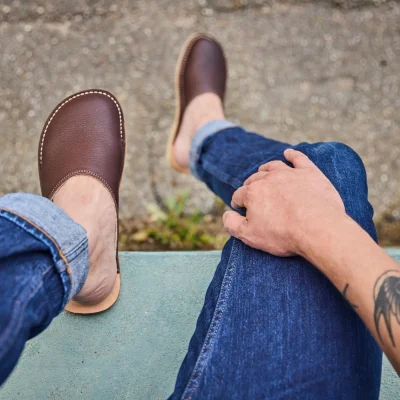
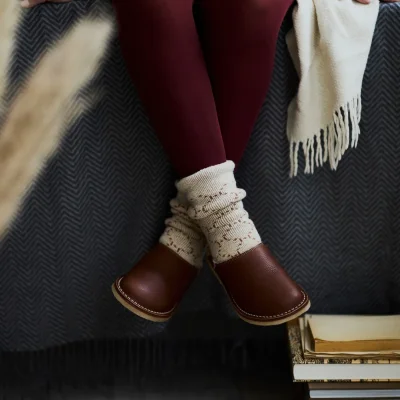
Duckfeet Klitmøller - wool-lined leather mule slippers - Choco
Related products
Related products
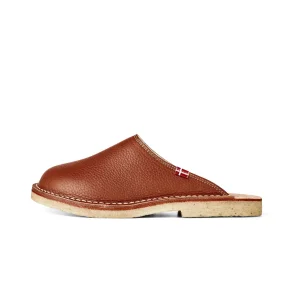
Duckfeet Klitmøller - wool-lined leather mule slippers - Nut
DuckfeetA shoe that can be resoled
It is rare in a slipper, but Klitmøller is built so that the outsole can easily be replaced. The crepe rubber sole is the part that wears first, and when it has gone, a cobbler can put a new one on rather than the shoe becoming waste. That places demands on the rest of the construction - there has to be something to build on - and it is one of the reasons the midsole and insole are vegetable-tanned leather rather than foam or board.
The layers in the sole
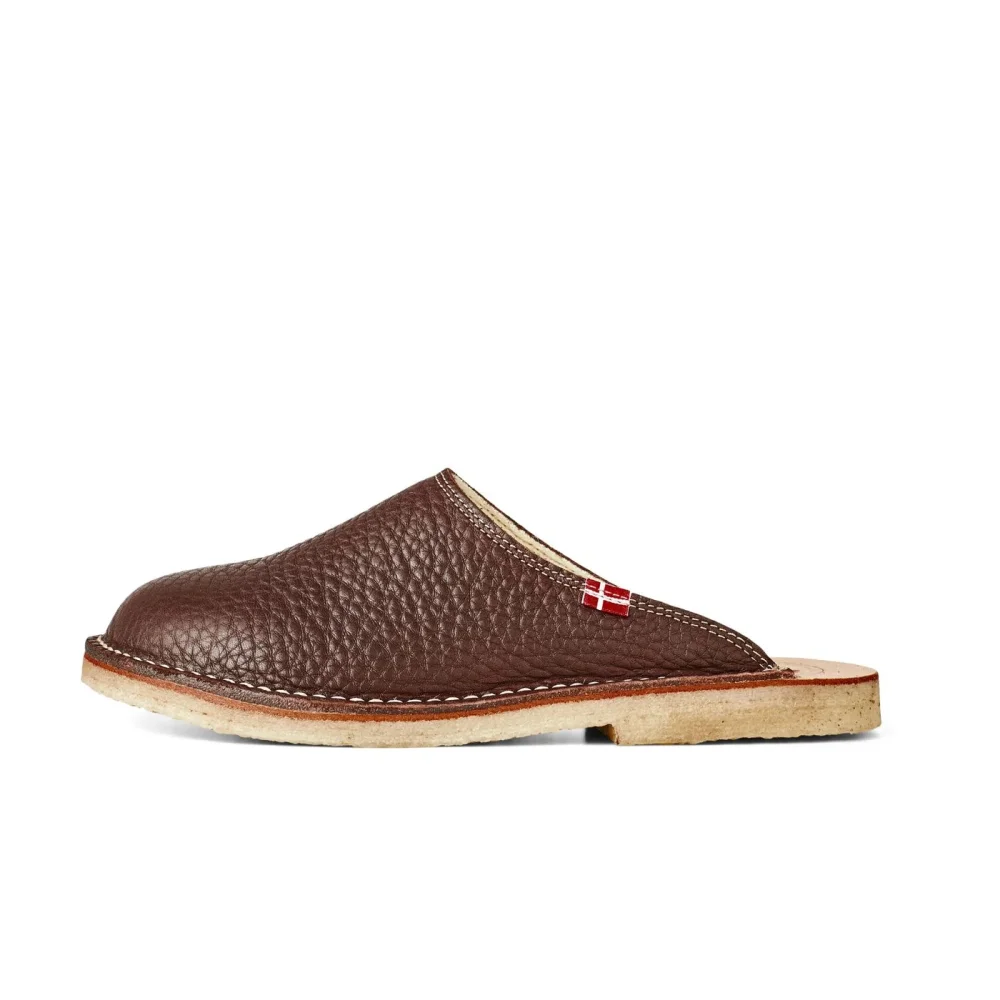
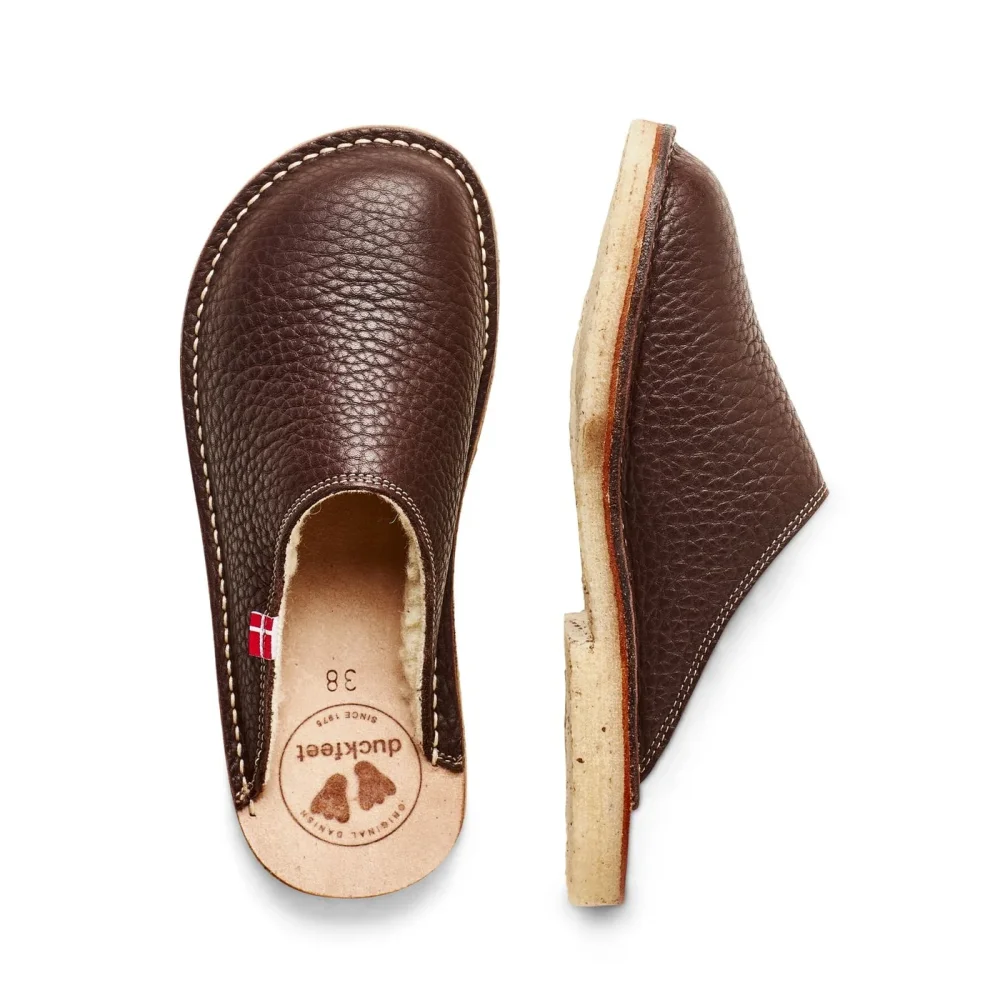
At the very bottom of the slipper's sole is the crepe rubber, soft and shock-absorbing, giving a different footfall from a hard rubber sole. Next comes a midsole in vegetable-tanned leather, which is what gives the shoe its shape and holds it. The top layer of the sole is an insole in the same vegetable-tanned leather, which takes up moisture from the foot during the day and releases it again when you are not wearing the shoe.
Wide toe box and flat footbed
The insole is flat, with no built-in arch support. That is a deliberate choice at Duckfeet: the toes are allowed to spread, and the foot moves as it wants to. The fit is medium to wide.
If you need arch support, you can put your own insoles in - the flat footbed means most insoles and orthotic footbeds will fit.
The wool lining
The lining is European sheep's wool. Wool holds the warmth without turning clammy, because the fibres can take up moisture without feeling wet - which is why a wool-lined shoe rarely becomes as heavy and damp as a synthetically lined one.
The leather itself
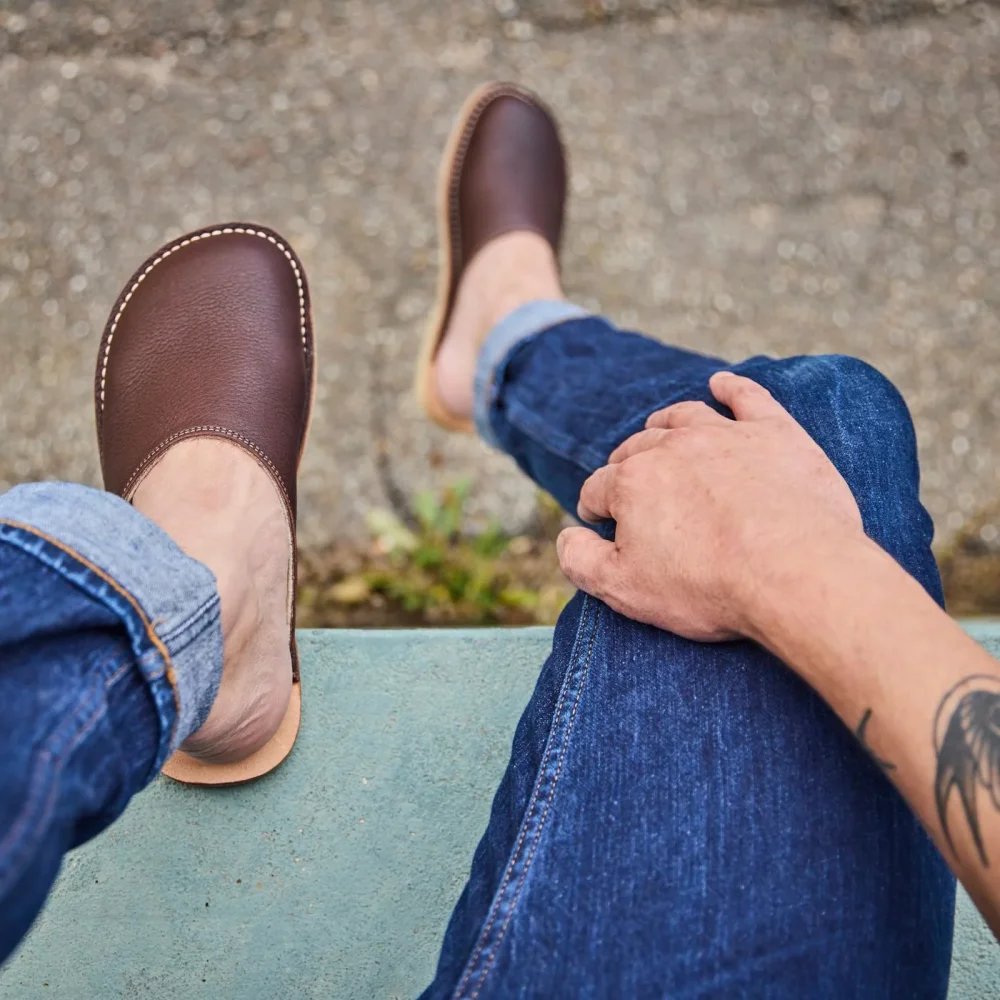
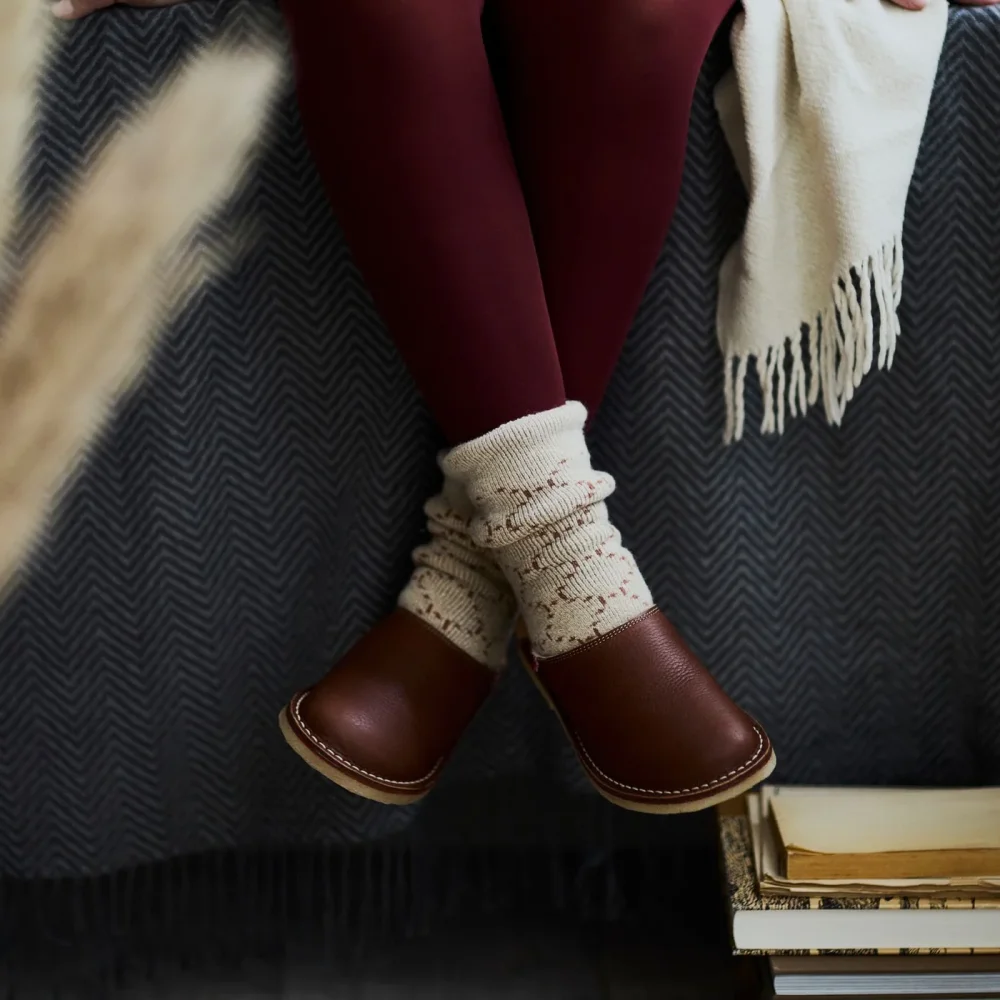
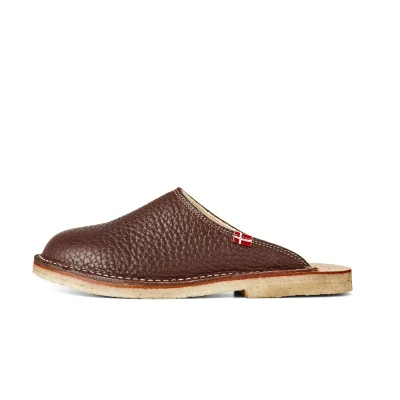
The Nut colour is a refined, saturated brown with a soft, grainy surface that catches the light unevenly and therefore looks alive rather than flat. It is Terracare leather made in Germany, 2.5 mm thick and full-grain, meaning the grain surface is kept as it is rather than being sanded down.
It is the kind of leather that takes on a patina - the tone deepens and grows more uneven where the shoe bends, and that is meant as a quality and not as wear.
Looking after them
Leather needs feeding at regular intervals. A thin layer of leather cream or shoe cream a couple of times a season is enough - little and often rather than a lot and rarely. Let the cream sit for a few minutes and buff with a soft cloth afterwards. Remember the edges and the seams.
If the shoes get dirty, wipe them with a damp cloth, let them dry completely, and treat the leather afterwards. Never on the radiator - that heat dries the leather out and makes it porous.
One quirk of crepe rubber: it stiffens in the cold. Used indoors you will not notice it, and if the shoes have been standing somewhere cold, they soften again with wear. Avoid contact with solvents, which break the rubber down.
122.30 €
Reviews
There are no reviews of this product.
Review product